 Taniguchi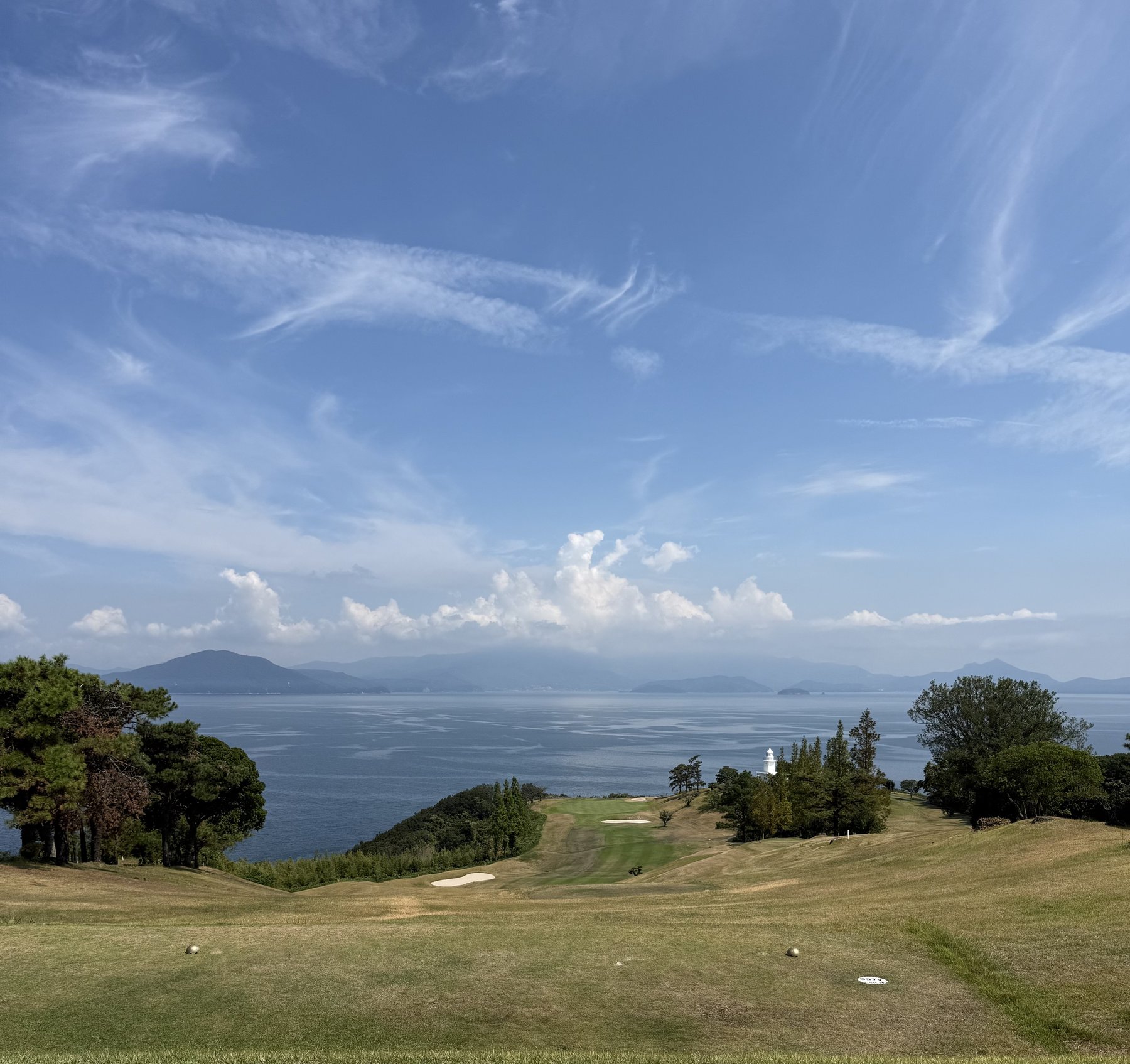
4 days of ocean-view golf, hidden local food, and a private plan that just worked.
This is a real itinerary from a trip I planned and guided personally — not a brochure example. It's a look at the kind of trip I build: real courses, real food, and a few places most visitors never find on their own.
Every plan I build is different, but this one is a good example of what "designed around you" actually looks like in practice — ocean-view rounds, a course tied to a major Japanese tour event, a garden most tourists miss, and small local restaurants that don't take walk-ins from people who don't speak Japanese.
Arrival in Takamatsu, and straight into the rhythm of the trip
The trip started with a flight from Tokyo into Takamatsu Airport. One detail that trips up a lot of first-time visitors: what to do with golf clubs for the rest of the trip. In this case, the clubs were shipped ahead directly from the airport's delivery counter to the first golf course — a standard courier service in Japan that means you're never hauling a heavy club case through train stations or hotel lobbies. (Rental clubs work just as well if you'd rather not fly with your own set — I help arrange that too.)
From the airport, it was a rental car and straight to lunch — Kagawa Prefecture is the birthplace of Japan's udon noodle culture, and it's not a stop to skip. With a round starting early the next morning, the clubs were picked up from the course and a short driving-range session followed before checking into the hotel for the night.
An ocean-view morning round, a garden of koi, and a hotel with its own hot spring
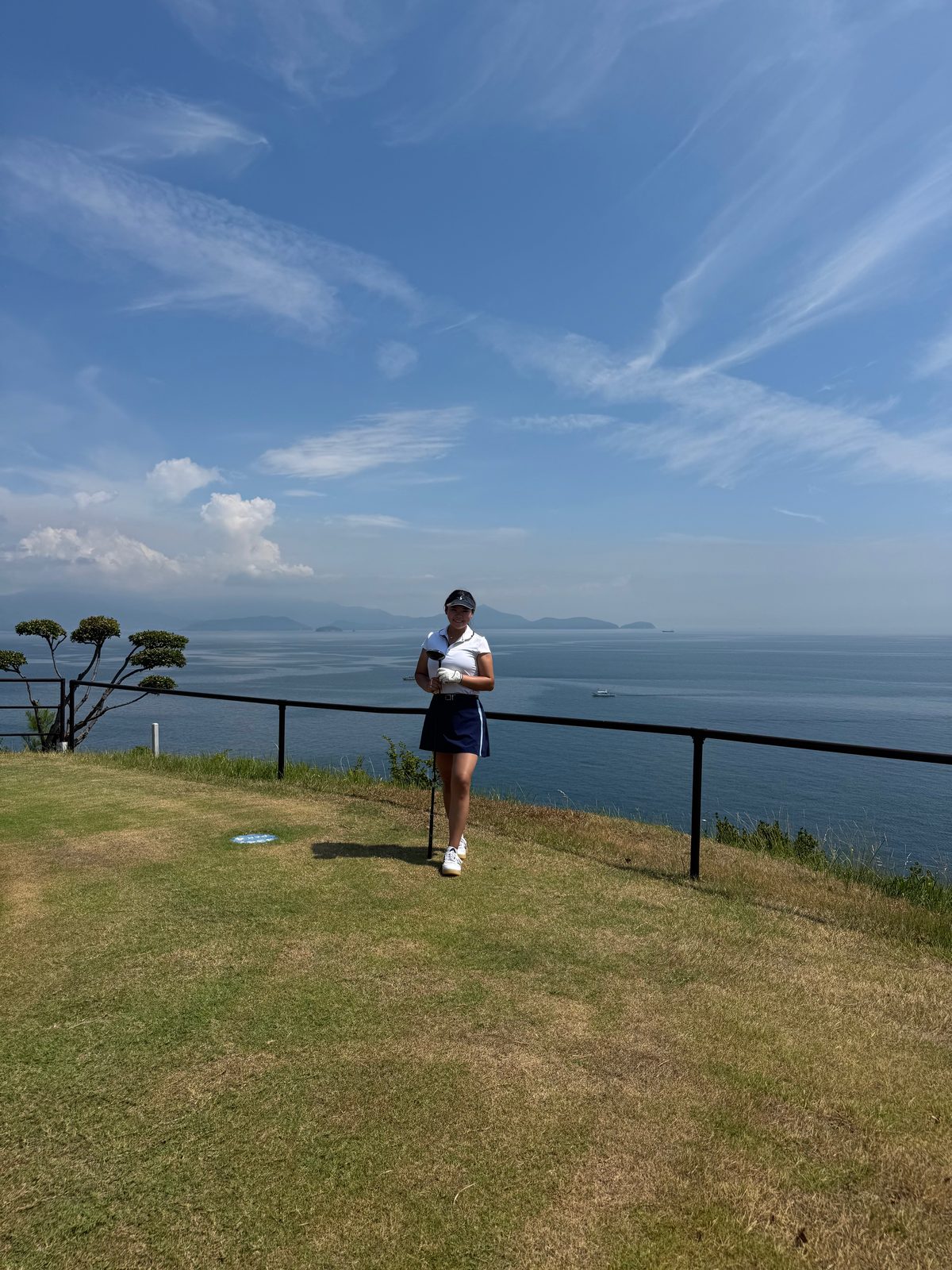
An early nine holes started the day, finishing before 10am with brunch at a clubhouse overlooking the water — a course fee in Japan almost always includes a proper restaurant meal, and this one meant more of Kagawa's famous udon, this time with a sea view.
Japanese courses typically play nine holes, break for a full restaurant meal, then finish the back nine — some courses do offer American-style "through play" if you'd rather skip the break. Either way, the food is a real part of the round: proper menus, regional sake and beer, and options for guests who aren't looking for seafood.
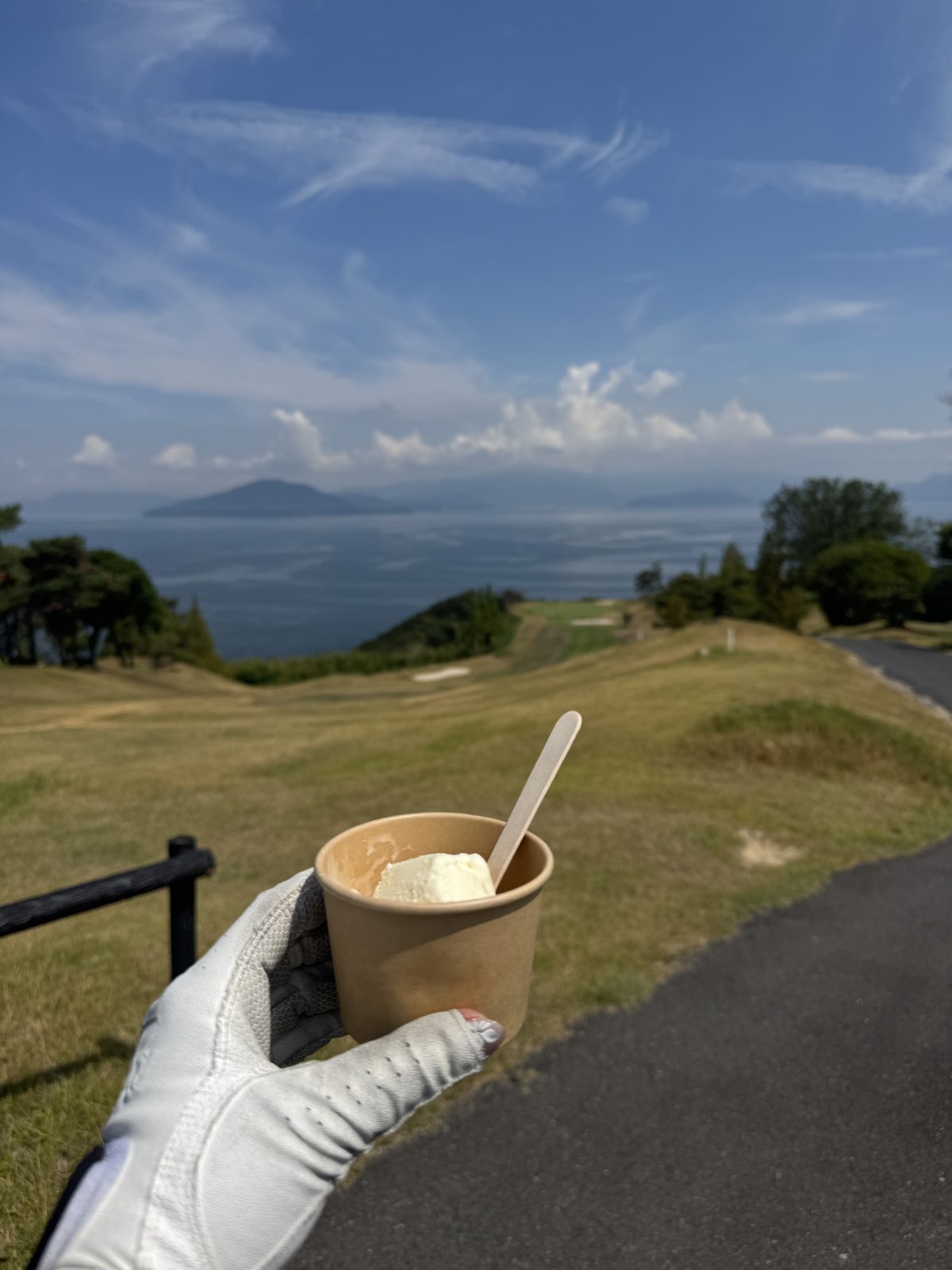
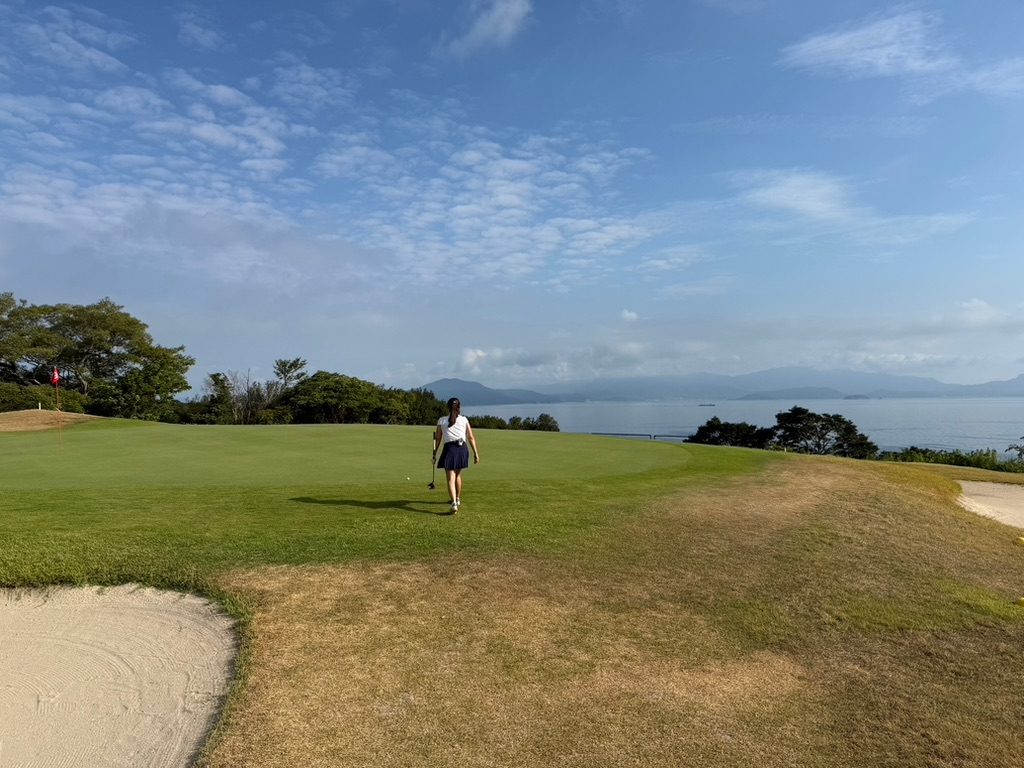
After a one-hour lunch break, the back nine started once the morning haze had cleared, opening up a much sharper view of the Seto Inland Sea. Most courses have a halfway snack stand between nines — drinks, snacks, and something cold for the walk. Ice cream, in this case.
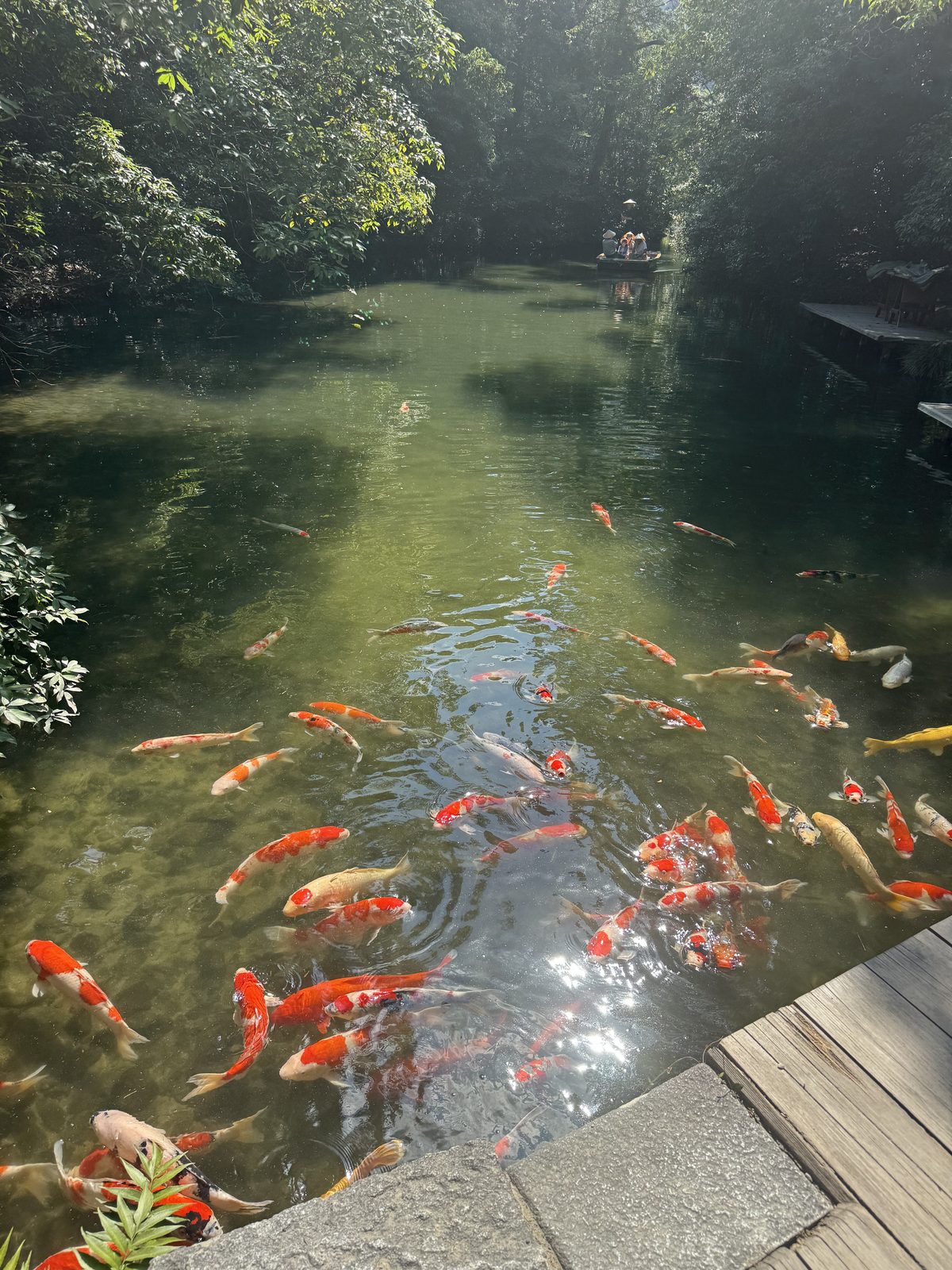
With the round finished, the drive toward the next day's course included a detour to Ritsurin Garden — one of Japan's finest formal gardens, and the kind of stop most golf-only itineraries skip entirely. Hundreds of large koi live in the garden's ponds, and feeding them (or renting a small rowboat to drift among them) isn't something you'll find back home.
The night ended at a hotel attached to the next day's course, with its own natural hot spring on site. Dinner was all-you-can-eat yakiniku (Japanese BBQ) in the hotel — wagyu and sushi, grilled tableside over charcoal, for around $25 a person.
27 holes at a tour venue, then dinner in a fishing town famous for tuna
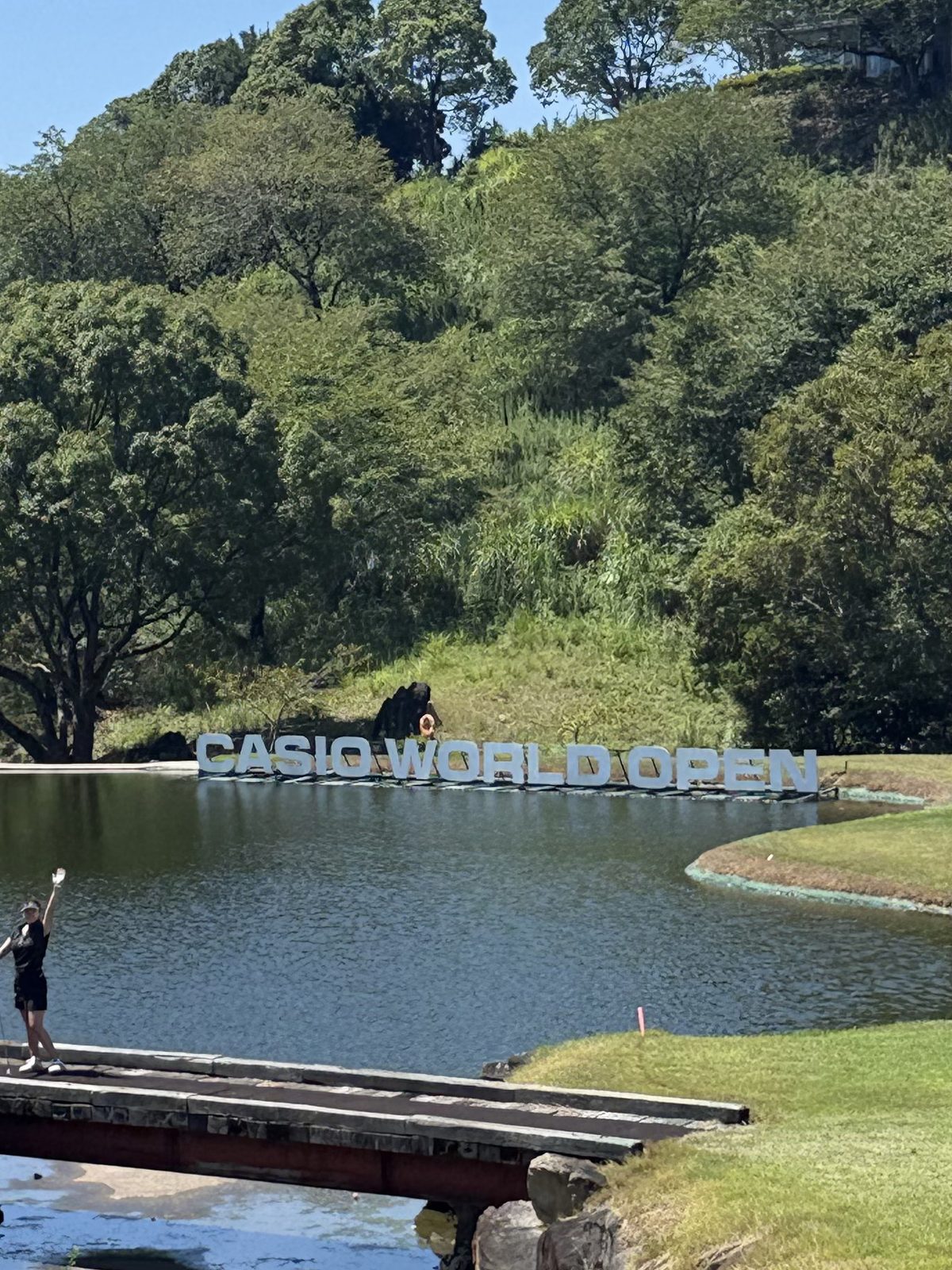
Day three meant 27 holes at a course that hosts the CASIO WORLD OPEN, one of the Japan Golf Tour's annual events — worth a photo stop at the tournament signage on the way through. The front eighteen played through in the morning, with a break for a proper meal in between, moving between a wooded stretch of holes and a run along the Seto Inland Sea.
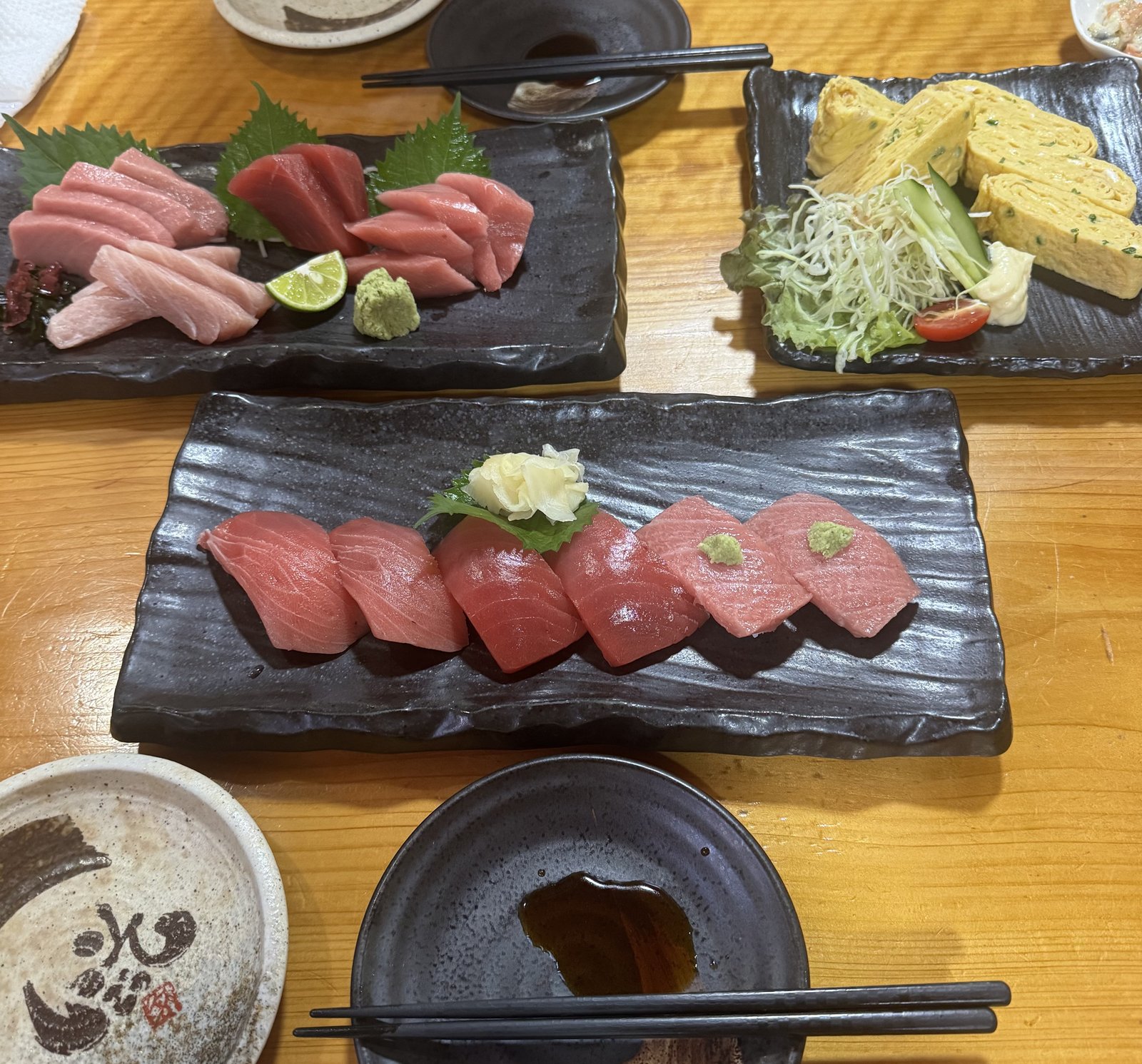
From there, the drive continued to Sukumo, a fishing town further south, for the night. After checking in, dinner was at a local izakaya known for its tuna — the kind of place that doesn't show up in English-language guides, and that I'd help arrange in advance since walk-ins (and the language barrier) can be a real obstacle.
Kashiwajima's impossibly clear water, and one more local favorite for dinner
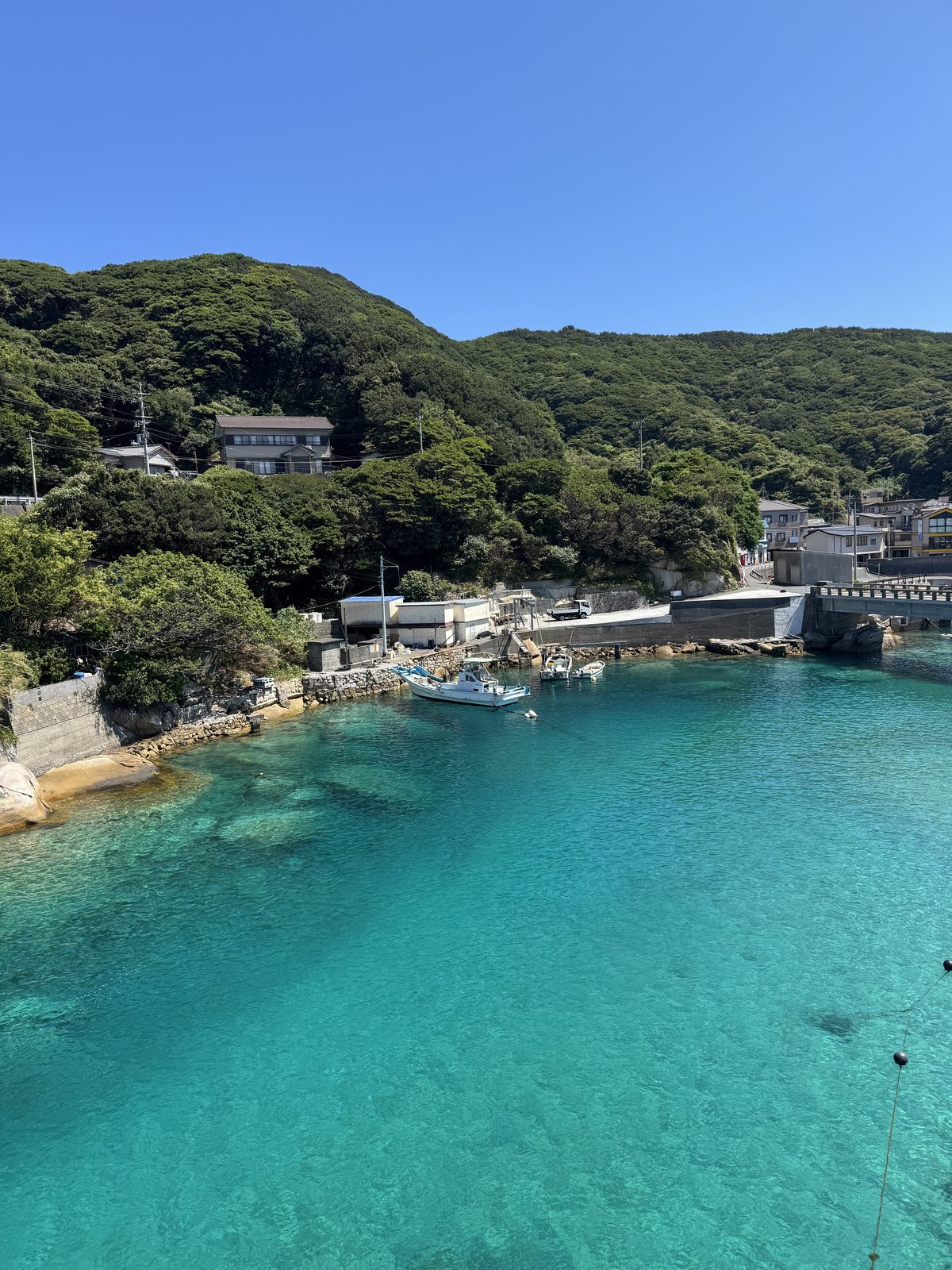
The next morning's drive led to Kashiwajima, an island known for water so clear that boats appear to float in mid-air in photos. A resident pod of dolphins lives in the surrounding waters — visible underwater on a lucky day — and the island also has diving and snorkeling on offer for anyone who wants to get in the water rather than just look at it.
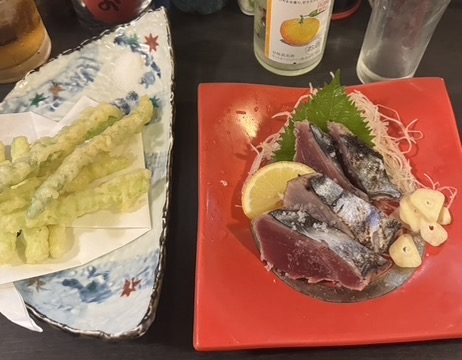
Dinner that night was at another local favorite, this one known for katsuo tataki — seared bonito, a regional specialty. Reservations at spots like this are usually essential, and arranging that kind of local reservation in advance is exactly the sort of thing I take care of.
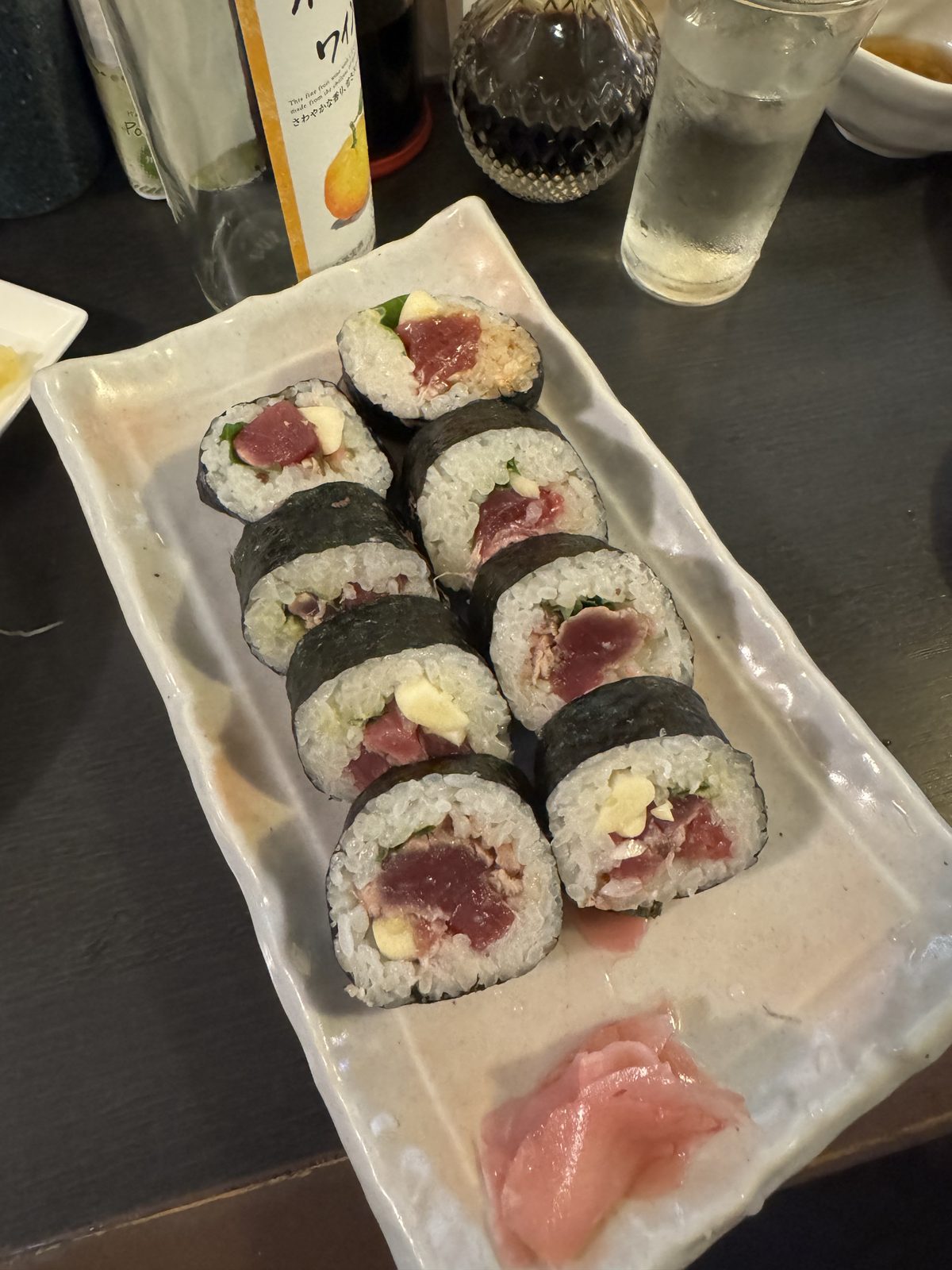
From here, this particular trip continued on to Kyushu for another stretch of golf — a good reminder that a Japan golf trip doesn't have to stay in one region. If it's a course tucked away, a garden most visitors miss, or a restaurant that only takes reservations in Japanese, finding it is exactly what I'm here for.
Want a trip like this one, built around what you want to see?
This is one example of what's possible — your plan would be built entirely around your own budget, pace, and the kind of places you want to find. Let's talk about it.
Request a Free Consultation